August 12, 2026

Commercial properties rely heavily on dependable HVAC systems to maintain comfortable indoor environments, support tenant satisfaction, and protect daily business operations. Whether managing office buildings, retail centers, warehouses, or mixed use facilities, property managers understand the importance of maintaining cooling equipment throughout the year.
When problems arise with a central air conditioner North York system, prompt diagnosis and professional repairs can prevent disruptions, reduce operating costs, and extend equipment lifespan. Understanding common issues, warning signs, and maintenance strategies can help property managers make informed decisions and protect their investments.
Commercial cooling systems operate under demanding conditions and often serve large indoor spaces. Routine maintenance and timely repairs are essential for maintaining reliability and performance.
A properly functioning cooling system helps regulate indoor temperatures and maintain healthy air circulation. Comfortable work environments contribute to employee productivity, customer satisfaction, and overall operational efficiency.
When cooling systems struggle to maintain consistent temperatures, occupants may experience discomfort that affects workplace performance and tenant retention. Maintaining HVAC equipment helps ensure stable indoor conditions throughout the year.
Unexpected HVAC failures can create significant operational challenges. In some facilities, cooling disruptions may affect equipment performance, inventory storage conditions, or tenant operations.
Regular inspections help identify developing issues before they escalate into major breakdowns. By addressing minor concerns early, property managers can minimize downtime and reduce emergency repair costs.
Commercial HVAC systems contain numerous interconnected components. Problems in one area often affect overall system performance.
One of the most common complaints in commercial buildings involves uneven temperatures between different zones.
Several factors may contribute to inconsistent cooling, including:
When certain areas remain warmer than others, technicians typically conduct airflow assessments and system diagnostics to identify the underlying cause.
Commercial cooling systems depend on multiple critical components working together efficiently.
Common failures include:
These issues can significantly reduce cooling performance while increasing energy consumption. Professional repairs help restore system functionality and prevent further damage.
Recognizing early warning signs allows property managers to schedule repairs before major failures occur.
A sudden increase in utility bills often indicates declining HVAC performance.
When components become worn or damaged, systems must work harder to achieve desired temperatures. This additional workload increases energy consumption and operating expenses.
Common causes include:
Monitoring utility trends can provide valuable insight into HVAC system health.
Commercial HVAC systems generally operate with predictable sound levels.
Property managers should investigate:
These symptoms often indicate mechanical or electrical issues that require professional attention before more serious damage develops.
Effective commercial HVAC repair requires a systematic approach that addresses both symptoms and root causes.
Around this stage of facility management planning, many property managers partner with Weston Plumbing & Mechanical Services for professional HVAC assessments, maintenance programs, and commercial cooling system repairs designed to support long term building performance.
Professional technicians begin repairs with detailed system evaluations.
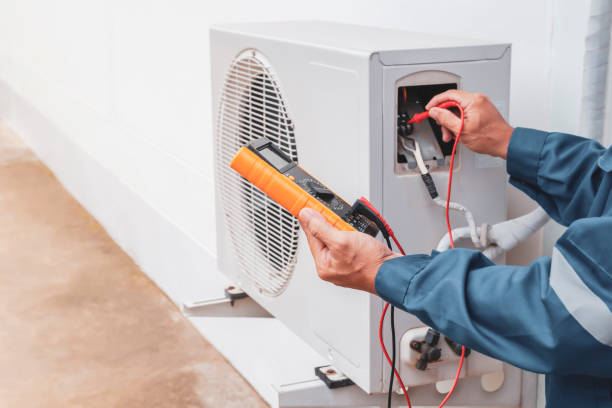
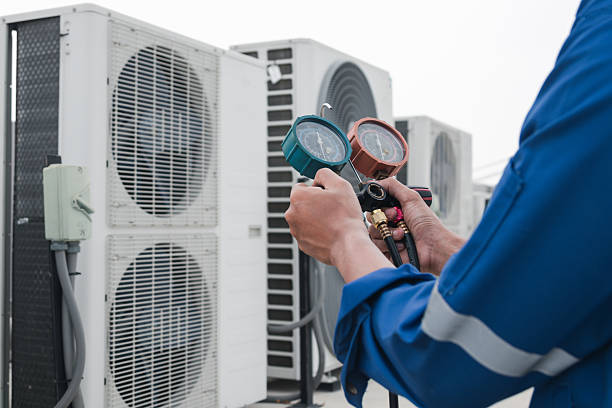
Diagnostic procedures may include:
Comprehensive diagnostics allow technicians to accurately identify issues and recommend appropriate solutions.
Once problems are identified, technicians perform targeted repairs that restore system functionality.
Common repairs include:
Addressing root causes rather than symptoms helps improve long term system reliability.
Commercial HVAC systems represent a significant capital investment. Timely repairs help protect that investment and maximize equipment value.
Emergency HVAC failures often occur when minor issues go unresolved.
Examples include:
Routine inspections and timely repairs reduce the likelihood of unexpected emergencies and associated repair expenses.
Commercial cooling systems that receive proper maintenance typically last longer than neglected systems.
Benefits of proactive repairs include:
Extending equipment life can delay expensive replacement projects and improve overall return on investment.
Preventative maintenance remains one of the most effective strategies for managing commercial HVAC systems.
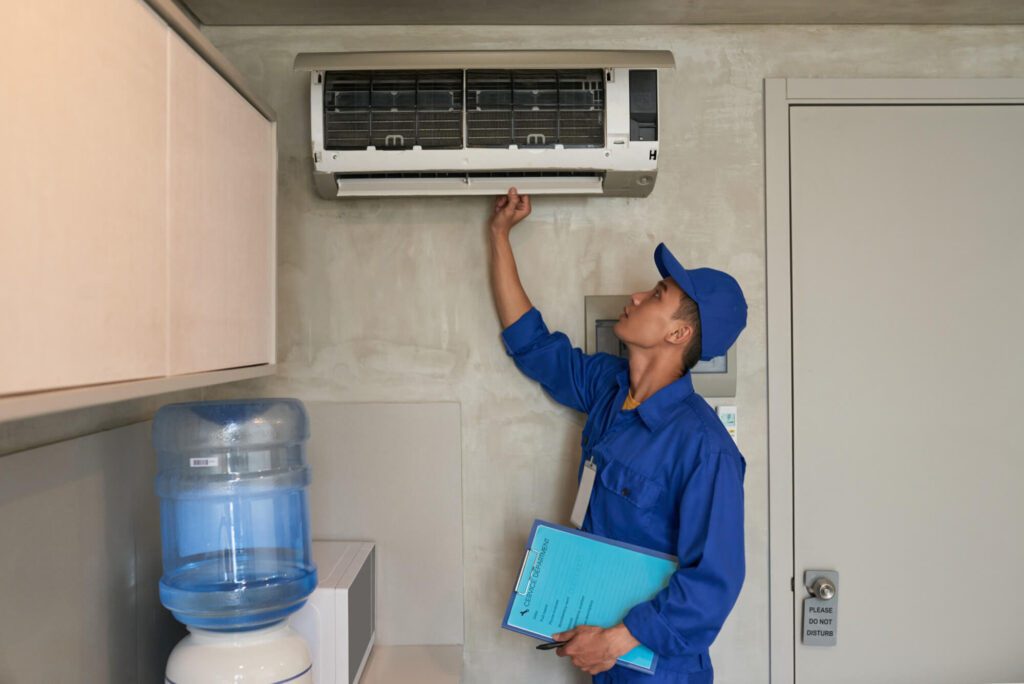
Routine inspections allow technicians to evaluate system performance and identify developing concerns.
Maintenance programs often include:
Seasonal tune ups prepare systems for periods of increased cooling demand and help reduce the risk of in season failures.
Proper airflow plays a critical role in HVAC efficiency.
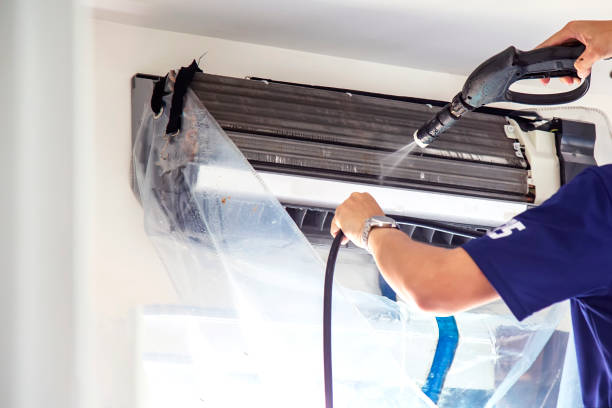
Maintenance tasks typically involve:
Clean components improve energy efficiency and support consistent indoor comfort.
At this point, property managers searching for reliable ac repair in north york often prioritize providers that offer both emergency support and preventative maintenance programs to help reduce future repair costs and improve system reliability.
Selecting the right HVAC service provider can significantly impact building performance and maintenance costs.
Commercial HVAC systems differ significantly from residential equipment.
Property managers should look for contractors with experience servicing:
Commercial expertise helps ensure accurate diagnostics and effective repairs.
Response time becomes especially important during cooling emergencies.
Reliable providers typically offer:
Establishing an ongoing relationship with a trusted contractor helps streamline future maintenance and repair needs.
Successful HVAC management requires more than reactive repairs. Long term planning helps maximize performance and control operating costs.
As systems age, property managers may benefit from evaluating upgrade opportunities.
Potential improvements include:
Strategic upgrades can reduce energy consumption while improving comfort and reliability.
A proactive maintenance strategy combines inspections, repairs, performance monitoring, and long term planning.
Effective programs often include:
This approach helps property managers make informed decisions while minimizing operational disruptions.
Commercial HVAC systems play a critical role in maintaining comfortable, productive, and efficient building environments. For property managers, understanding common cooling system problems, recognizing early warning signs, and implementing preventative maintenance programs can significantly reduce downtime and operating costs.
Routine inspections, timely repairs, and proactive planning help extend equipment lifespan while protecting valuable commercial property investments. By partnering with experienced HVAC professionals, property managers can ensure reliable cooling performance throughout the year and avoid costly emergency breakdowns.
Ready to improve your commercial HVAC performance? Get Your Free Quote today and learn how professional maintenance and repair services can support your property’s long term success.
Most commercial HVAC systems should be professionally inspected at least twice per year, typically before the cooling and heating seasons begin.
Common causes include dirty coils, clogged filters, refrigerant leaks, airflow restrictions, malfunctioning thermostats, and aging system components.
Preventative maintenance, routine inspections, prompt repairs, and regular performance monitoring can help reduce costly breakdowns and emergency service calls.
Replacement may be considered when repair costs become excessive, equipment reliability declines significantly, or the system approaches the end of its expected service life.
Preventative maintenance helps improve efficiency, extend equipment lifespan, reduce energy costs, maintain occupant comfort, and minimize unexpected system failures.