August 12, 2026

A commercial HVAC system plays an important role in maintaining comfortable temperatures, proper ventilation, and healthy indoor air quality for employees, customers, and visitors. Regular inspections help businesses identify developing problems before they result in major equipment failures or disruptions. Businesses searching for hvac inspection near me should understand what a professional inspection includes, how often it should be scheduled, and how inspection findings can support better maintenance and repair decisions.
Commercial HVAC systems often operate for long hours and serve larger spaces than residential systems. This continuous demand can place significant stress on heating, cooling, ventilation, and electrical components. Regular inspections allow technicians to evaluate system performance and identify conditions that could affect comfort, efficiency, safety, or reliability.
Temperature control and ventilation directly affect the indoor environment of a commercial property. Problems with filters, coils, ductwork, ventilation equipment, or airflow can contribute to inconsistent temperatures and reduced indoor air quality. A professional inspection helps identify these issues and provides an opportunity to correct them before they significantly affect the building environment.
Unexpected HVAC failures can interrupt normal business operations and create emergency repair costs. Inspections can identify worn components, restricted airflow, electrical concerns, and other developing issues while they are still manageable. Addressing these problems early may reduce the likelihood of larger failures and help businesses plan repair expenses more effectively.
A commercial HVAC inspection should evaluate the major components responsible for heating, cooling, airflow, ventilation, controls, and safe system operation. The exact inspection process depends on the type, size, age, and configuration of the property’s HVAC equipment.
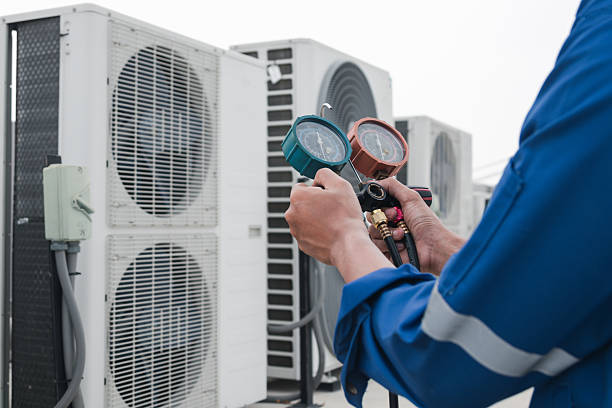
Technicians typically examine heating and cooling equipment for signs of wear, damage, contamination, or reduced performance. Depending on the system, this may include checking furnaces, air conditioners, heat pumps, rooftop units, compressors, coils, motors, and other major components. Performance testing can help determine whether equipment is operating within expected conditions.
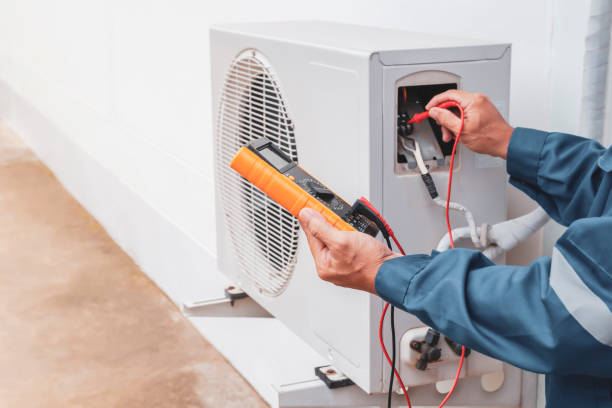
Electrical connections, controls, thermostats, safety devices, capacitors, switches, and related components should also be inspected. Loose connections, damaged wiring, malfunctioning controls, or failing electrical components can affect system performance and may create safety concerns. Proper testing helps identify issues that may not be obvious during normal operation.
Airflow problems can reduce heating and cooling performance even when the main HVAC equipment is functioning. Technicians may evaluate filters, supply and return airflow, ductwork, dampers, ventilation components, and other areas that influence air distribution. Identifying restrictions or damaged components can help improve overall system performance.
Commercial HVAC inspection frequency depends on equipment type, operating conditions, building size, usage, and manufacturer recommendations. Businesses should establish an inspection schedule that reflects the demands placed on their specific systems.
Many commercial properties benefit from HVAC inspections at least once or twice a year, often before periods of heavy heating or cooling demand. Seasonal inspections can help ensure that equipment is prepared for changing operating conditions and allow developing problems to be addressed before peak usage.
Properties with long operating hours, high occupancy, demanding indoor climate requirements, older equipment, or complex HVAC systems may require more frequent attention. Buildings with recurring HVAC problems should also be assessed more regularly to identify underlying causes and reduce repeated failures.
Professional inspections can reveal a wide range of conditions that affect HVAC efficiency and reliability. Some problems develop gradually and may not become noticeable until they begin affecting comfort or equipment performance.
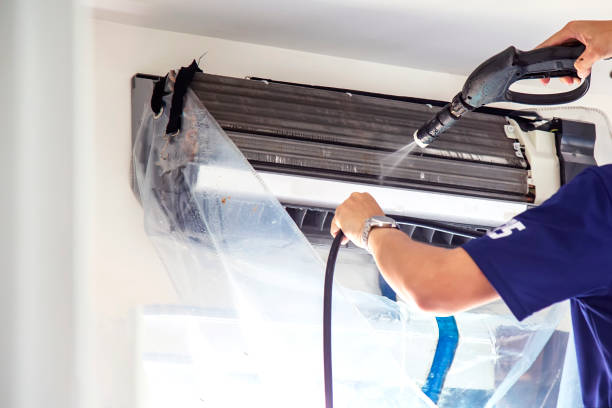
Dirty filters can restrict airflow and force HVAC equipment to work harder. Dirty evaporator or condenser coils can also interfere with heat transfer and reduce efficiency. Blocked ducts, damaged dampers, and other airflow restrictions can create uneven temperatures and place additional strain on equipment.
Technicians may also identify refrigerant-related problems, thermostat failures, electrical faults, worn belts, motor issues, bearing problems, or other mechanical concerns. The appropriate response depends on the severity of the issue and the condition of the overall HVAC system.
Regular inspections are an important part of proactive commercial HVAC management. They provide businesses with information about the current condition of their equipment and help identify problems before they result in more extensive damage.
Small issues can gradually place additional stress on other components. A restricted filter, worn electrical component, or airflow problem can contribute to declining system performance if it remains unresolved. Early identification allows businesses to address problems while repairs may be more manageable.
A properly maintained HVAC system can operate more efficiently than equipment affected by restricted airflow, dirty components, or mechanical problems. Regular inspections also provide opportunities to identify wear before it causes significant component failure, potentially helping businesses get more reliable service from their existing equipment.
Inspection findings do not always require immediate major repairs, but certain warning signs should not be ignored. Businesses should respond promptly when HVAC performance changes noticeably or equipment begins showing unusual operating behaviour.
Frequent cycling, unusual noises, unusual odours, inconsistent temperatures, rising energy consumption, weak airflow, water leakage, or repeated system shutdowns can indicate an HVAC problem. Complete loss of heating or cooling should also receive prompt professional attention, particularly when it affects occupied business areas.
The appropriate solution depends on the condition and age of the equipment, the severity of the problem, repair costs, efficiency, and expected remaining service life. Routine maintenance may be sufficient for minor issues, while damaged components may require repair. Replacement may become more practical when equipment is aging, inefficient, or experiencing repeated major failures.
A professional inspection generally begins with a review of the property’s HVAC equipment and operating conditions. The technician then examines relevant components and performs appropriate tests to determine whether the system is operating properly.
The technician may assess temperature performance, airflow, electrical operation, controls, equipment condition, and other system-specific factors. Testing helps identify problems that may not be visible through a basic visual inspection and provides a clearer understanding of overall system performance.
After the inspection, businesses should receive information about identified problems and recommended next steps. Clear reporting can help property managers prioritize urgent repairs, schedule routine maintenance, and plan larger equipment replacements around business requirements.
The quality of an HVAC inspection depends partly on the experience and capabilities of the service provider. Businesses should select a contractor familiar with commercial equipment and capable of providing clear recommendations.
Commercial HVAC equipment can be more complex than residential systems, particularly in larger buildings with rooftop units, multiple zones, advanced controls, or integrated ventilation. A provider with commercial experience can better understand the operational requirements and potential issues associated with these systems.
Businesses should ask about technician qualifications, relevant certifications, inspection procedures, reporting, and service availability. Transparent communication helps property managers understand what was inspected, which problems were found, and what action is recommended.
HVAC inspections are most effective when incorporated into a broader maintenance and repair strategy. Businesses can use inspection findings to create a structured approach to equipment care and future system planning.
Preventative maintenance can include filter replacement, coil cleaning, electrical checks, lubrication where applicable, drainage inspection, airflow evaluation, and other system-specific tasks. Combining maintenance with regular inspections provides a more comprehensive approach to HVAC reliability.
Businesses looking for professional HVAC support can also explore Weston Plumbing & Mechanical Services for commercial mechanical and HVAC services.
Commercial HVAC repairs and replacements can be disruptive if they are not properly scheduled. Inspection reports can help businesses identify upcoming equipment needs and plan service during appropriate operating periods. This approach can reduce unexpected downtime and make HVAC expenses easier to manage.
Selecting an experienced commercial HVAC provider can help businesses maintain reliable heating, cooling, ventilation, and indoor comfort. Professional service should focus on accurate inspections, practical recommendations, preventative maintenance, and timely repairs.
Weston Plumbing Solutions provides commercial HVAC services designed to support the operational needs of local businesses. Professional inspections can help identify system issues, evaluate equipment condition, and provide recommendations based on the property’s HVAC requirements.
A comprehensive service approach can help businesses address current HVAC problems while planning for long-term equipment performance. For businesses researching commercial hvac toronto, professional inspection, maintenance, and repair services can provide a practical way to support reliable commercial HVAC operation.
Regular commercial HVAC inspections can help businesses protect indoor comfort, identify developing equipment problems, improve system efficiency, and reduce the risk of unexpected breakdowns. A professional inspection should evaluate heating and cooling equipment, electrical components, controls, airflow, ductwork, ventilation, and relevant safety systems. Businesses should also consider their building size, operating hours, equipment age, and system complexity when determining inspection frequency. Combining inspections with preventative maintenance and planned repairs can support dependable HVAC performance while helping businesses manage long-term operating costs.
Many commercial properties benefit from inspections once or twice per year, often before periods of heavy heating or cooling use. Larger facilities, older systems, and properties with demanding operating conditions may require more frequent inspections.
An inspection can include heating and cooling equipment, electrical components, controls, thermostats, safety systems, filters, coils, airflow, ductwork, ventilation, and other system-specific components. Performance testing may also be performed.
Inspections can identify developing problems before they cause major equipment failures. Early identification allows businesses to address issues sooner, which may help reduce the risk of extensive damage and unexpected downtime.
Warning signs include unusual noises, unusual odours, inconsistent temperatures, weak airflow, frequent cycling, water leaks, rising energy consumption, repeated shutdowns, and complete loss of heating or cooling.
Combining inspections with preventative maintenance can provide a more comprehensive approach to HVAC care. Inspections identify system conditions, while maintenance addresses tasks that help keep equipment clean, efficient, and operational.