August 9, 2026

Regular HVAC inspections are an important part of keeping a home’s heating and cooling systems reliable throughout the year. HVAC equipment works through changing seasonal demands, and small issues can gradually affect efficiency, comfort, and performance. Homeowners searching for hvac inspection near me can benefit from professional inspections that identify developing problems, evaluate system performance, and help determine whether maintenance or repairs are needed.
Heating and cooling equipment represents a significant investment, and regular inspections can help protect that investment. A professional inspection provides an opportunity to evaluate important components before problems become disruptive or expensive. It also gives homeowners a clearer understanding of the condition of their HVAC equipment and any maintenance that may be required.
An HVAC system should maintain relatively consistent temperatures throughout the home without excessive cycling, unusual sounds, or weak airflow. Regular inspections can identify conditions that affect heating and cooling performance, including restricted airflow, dirty components, worn parts, and control problems. Addressing these issues can support dependable operation and help maintain indoor comfort during periods of high heating or cooling demand.
Minor HVAC problems can become more serious when they remain unresolved. A worn component may place additional strain on other parts, while restricted airflow can cause equipment to operate longer than necessary. Professional inspections allow homeowners to identify potential problems earlier, making it easier to schedule maintenance or repairs before a complete system failure occurs.
A professional HVAC inspection generally covers the major components involved in heating, cooling, airflow, electrical operation, and system controls. The exact inspection process depends on the type and age of the equipment and the home’s existing HVAC configuration.
Technicians can inspect furnaces, air conditioners, heat pumps, boilers, indoor coils, outdoor units, blower assemblies, motors, and other applicable components. The inspection may include visual checks and performance testing to determine whether equipment is operating correctly. Identifying signs of wear or reduced performance can help homeowners address problems before they become larger failures.
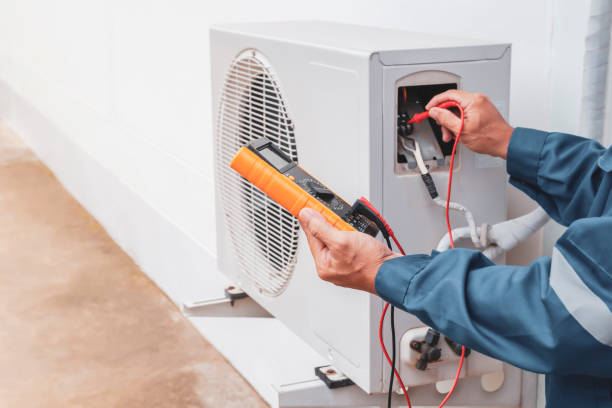
Electrical connections, thermostats, controls, capacitors, switches, wiring, and safety devices can all affect HVAC operation. A professional inspection can identify loose connections, damaged components, control problems, or other conditions that may interfere with safe and efficient operation. Safety features should also be checked to ensure the system is operating as intended.
Airflow has a direct effect on HVAC performance. Dirty filters, blocked vents, damaged ductwork, and ventilation restrictions can reduce the amount of conditioned air reaching different areas of the home. Inspecting these components can help identify airflow problems and improve the overall performance of the heating and cooling system.
HVAC inspection and maintenance work together to support reliable system operation. An inspection identifies the current condition of equipment, while maintenance addresses specific tasks that help keep components clean, functional, and efficient.
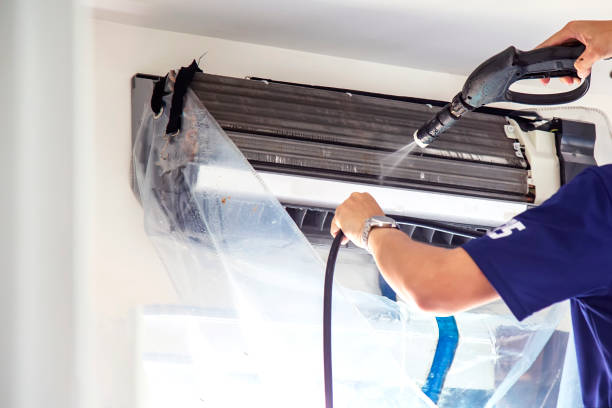
Depending on the system, maintenance may include cleaning filters, coils, blower components, condensate drains, and other areas affected by dust or debris. Technicians can also inspect moving components, electrical connections, controls, and drainage systems. Keeping important components clean and properly maintained can reduce unnecessary system strain.
Regular maintenance can reveal worn belts, motors, electrical components, controls, or other parts before they fail completely. Technicians can also identify changes in system performance that may indicate an underlying problem. Early attention can make repairs easier to plan and may reduce the likelihood of unexpected breakdowns.
Spring is an important time to prepare HVAC equipment for the transition from heating to cooling. After operating throughout the winter, certain components may require inspection or cleaning before the air conditioner begins handling increased demand.
Spring maintenance can include checking the air conditioner, filters, coils, electrical components, thermostat, condensate drainage, and outdoor equipment. Identifying problems before summer arrives can help reduce the risk of cooling interruptions during periods when the system is operating frequently.
Heating equipment and shared HVAC components may experience considerable use during winter. Inspecting the overall system in spring provides an opportunity to identify wear, airflow restrictions, drainage concerns, or other conditions that could affect cooling performance later in the year.
Seasonal maintenance supports the transition between heating and cooling requirements and helps keep HVAC equipment operating according to its intended specifications.
A system affected by dirty filters, restricted airflow, or poorly maintained components may require more energy to achieve the desired temperature. Regular maintenance helps address these conditions and supports efficient operation. It can also contribute to more consistent airflow and temperature control throughout the home.
Regular professional attention can help reduce unnecessary strain on HVAC components and identify wear before it causes significant damage. Although maintenance cannot prevent every equipment failure, it can support reliable operation and help homeowners get appropriate service life from their heating and cooling systems.
Homeowners do not need to wait for a complete system failure before scheduling an inspection. Changes in performance can indicate that equipment requires professional attention.
Rooms that remain noticeably warmer or cooler than others may indicate airflow, ductwork, thermostat, or equipment problems. Weak airflow can also result from restricted filters or other HVAC issues. New or persistent sounds such as rattling, buzzing, grinding, or clicking should be professionally evaluated.
Unexpected increases in energy consumption can indicate declining HVAC efficiency. Frequent cycling, where the system repeatedly starts and stops, can also place additional stress on equipment. An inspection can help determine whether these symptoms are related to maintenance needs, component problems, or other system conditions.
The appropriate inspection schedule depends on the type of HVAC equipment, system age, usage, and property conditions. Seasonal service can provide an effective approach for homeowners who rely heavily on heating and cooling equipment.
Many homeowners benefit from scheduling HVAC inspections before the major heating and cooling seasons. A spring inspection can prepare the air conditioner for summer operation, while a fall inspection can help prepare heating equipment for winter. Manufacturer recommendations should also be considered when establishing a maintenance schedule.
Older equipment, frequent repairs, long operating hours, high household occupancy, indoor air quality concerns, and recurring performance problems may justify more frequent service. Homes with complex HVAC systems may also benefit from a more structured maintenance schedule.
A professional inspection usually begins with a review of the home’s HVAC equipment and reported performance concerns. The technician then evaluates relevant components and performs appropriate tests.
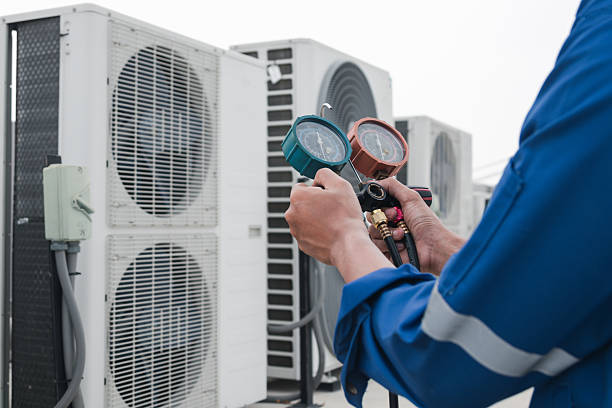
The technician may assess temperature performance, airflow, electrical operation, controls, filters, equipment condition, drainage, and other system-specific components. Testing helps provide a clearer picture of whether the system is functioning correctly.
After the inspection, the technician should explain identified issues and recommend appropriate next steps. Recommendations may include routine maintenance, specific repairs, component replacement, or continued monitoring. Clear information allows homeowners to prioritize HVAC work according to urgency and system condition.
Homeowners can also explore Weston Plumbing & Mechanical Services for professional HVAC and mechanical services.
The quality of an HVAC inspection depends partly on the experience and approach of the service provider. Homeowners should select a company that understands residential HVAC systems and provides clear information about inspection findings.
Look for a provider with experience working with the type of heating and cooling equipment installed in the home. Relevant qualifications, professional training, appropriate equipment, and local service availability can all be useful considerations when choosing an HVAC contractor.
A reliable provider should explain what was inspected, identify any concerns, and provide recommendations without unnecessary confusion. Professional maintenance should address the actual needs of the system while helping homeowners understand which repairs or service tasks should be prioritized.
Choosing a professional HVAC provider can help homeowners maintain reliable heating and cooling performance while addressing problems before they become more disruptive. A structured approach to inspection and maintenance can support both immediate comfort and long-term equipment performance.
Weston Plumbing Solutions provides HVAC services designed to help homeowners maintain their heating and cooling systems. Professional inspections can identify equipment problems, airflow restrictions, component wear, and maintenance requirements that may otherwise go unnoticed.
Seasonal HVAC service can help prepare equipment for changing weather conditions while providing an opportunity to identify developing problems. For homeowners looking for Commercial HVAC Services, professional support can also help maintain reliable HVAC performance across different property requirements.
Regular HVAC inspections provide homeowners with an effective way to monitor system condition, maintain indoor comfort, and address developing problems before they become costly failures. Inspections can cover heating and cooling equipment, electrical components, controls, safety features, airflow, filters, ductwork, and ventilation. Seasonal maintenance is particularly valuable because it prepares equipment for periods of increased demand. Homeowners should also pay attention to warning signs such as uneven temperatures, weak airflow, unusual noises, rising energy bills, and frequent cycling. Working with a qualified HVAC professional can support efficient operation, reliable performance, and a longer service life for heating and cooling equipment.
Many homeowners benefit from professional HVAC inspections before the main heating and cooling seasons. A spring inspection can prepare the air conditioner for summer, while a fall inspection can help prepare heating equipment for winter. Manufacturer recommendations and system condition should also be considered.
An HVAC inspection can include heating and cooling equipment, filters, coils, electrical components, controls, safety features, airflow, ductwork, ventilation, drainage, and other system-specific components. Performance testing may also be performed.
Regular maintenance can help identify worn or malfunctioning components before they cause larger failures. It may reduce the risk of unexpected breakdowns and help homeowners plan necessary repairs before problems become more serious.
Common signs include uneven indoor temperatures, weak airflow, unusual noises, frequent cycling, rising energy bills, unusual odours, and declining heating or cooling performance. These symptoms should be evaluated if they persist.
Yes. Spring is a useful time to inspect and maintain an air conditioning system before summer demand increases. It also provides an opportunity to address issues that may have developed during the winter and prepare the equipment for reliable cooling performance.