October 12, 2026

Choosing the right heating system is an important decision for Canadian homeowners because winters can place significant demands on residential heating equipment. The best option depends on climate, home size, insulation, layout, existing infrastructure, energy costs, and comfort preferences. Homeowners should also consider installation requirements, maintenance, lifespan, and repair needs before choosing a system. If your current equipment is struggling during colder weather, professional heating repair near me can help determine whether repair, maintenance, or replacement is the most appropriate solution.
Canadian homes require dependable heating systems that can maintain comfortable indoor temperatures during periods of low outdoor temperatures. Different heating technologies provide different advantages, so there is no single system that is ideal for every property. A professional assessment can help homeowners understand which equipment is suitable for their home’s specific requirements.
Canada has diverse climate conditions, ranging from relatively moderate coastal areas to regions with long periods of severe winter weather. Heating requirements therefore vary considerably by location. Home size, ceiling height, insulation, window quality, floor plan, and the number of rooms also affect heating demand. A properly sized system should provide sufficient heat without operating inefficiently.
Homeowners should evaluate more than the initial equipment price. Energy consumption, maintenance requirements, repair costs, expected lifespan, and overall comfort can significantly affect long-term ownership costs. A system with a higher upfront investment may offer better efficiency or more consistent heating, while a lower-cost option may have simpler installation requirements.
Several heating technologies are commonly used in Canadian homes. The most appropriate choice depends on the home’s existing infrastructure, energy source, climate, and homeowner preferences.
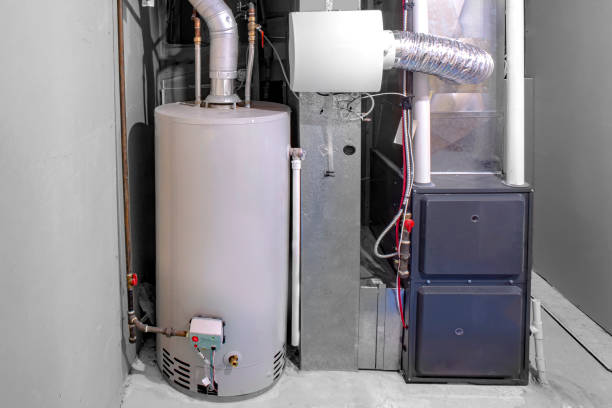
Forced-air furnaces heat air and distribute it throughout the home through ductwork. They are widely used because they can provide relatively fast temperature changes and can work with central air conditioning. Gas furnaces are common in areas where natural gas is readily available, while electric furnaces may be suitable where electricity is the preferred energy source.
Boilers heat water and distribute it through radiators, baseboards, or other hydronic heating components. Hydronic systems can provide consistent and comfortable heat without relying on forced air. However, installation and modification can be more complex when a home does not already have suitable hydronic infrastructure.
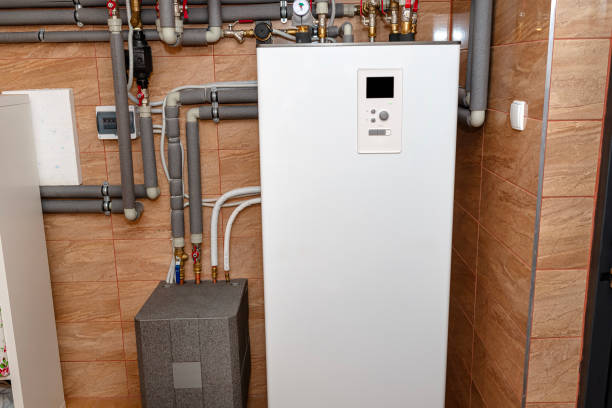
Heat pumps transfer heat rather than generating it directly through combustion. They can provide both heating and cooling and may offer efficient operation under suitable conditions. Hybrid systems combine technologies, such as a heat pump with a furnace, allowing the system to use different heating sources depending on outdoor conditions and efficiency requirements.
Efficiency and comfort should be considered together because a system that uses less energy is not necessarily the best option if it cannot adequately meet the home’s heating requirements.
Operating costs depend on equipment efficiency, energy prices, system usage, insulation, and home heat loss. High-efficiency equipment can reduce energy consumption, but actual savings depend on proper sizing, installation, maintenance, and how the system is operated. Homeowners should compare estimated operating costs rather than relying only on efficiency ratings.
Different systems deliver heat differently. Forced-air systems distribute warm air through vents, while boilers provide heat through radiators or other hydronic components. Heat pumps provide steady heat transfer and can also provide cooling. The ideal choice depends on how quickly the home needs to warm, humidity considerations, airflow preferences, and the property’s existing design.
Regular maintenance helps heating equipment operate safely and efficiently. Maintenance requirements vary depending on the technology and components used.
Furnaces require regular filter checks and professional inspection of burners, heat exchangers, electrical components, blower assemblies, controls, and other system components. Restricted airflow can increase system strain, so filters should be maintained according to the manufacturer’s recommendations.
Boilers require inspection of heating components, controls, pumps, pressure, and other hydronic components. Heat pumps require attention to filters, coils, airflow, outdoor equipment, refrigerant-related components, and electrical systems. Regular professional maintenance can help identify wear and performance issues before they become major failures.
The home’s age and existing infrastructure can strongly influence which heating system is practical. Older and newer properties may have significantly different installation requirements.
Older homes may have limited insulation, aging ductwork, outdated electrical systems, or existing radiators and boilers. Improving insulation and addressing heat loss can be important before installing new equipment. Homeowners should also determine whether existing infrastructure can support the selected heating technology.
Newer homes are often designed with better insulation, efficient windows, and tighter building envelopes. These characteristics can reduce heating demand and may make high-efficiency equipment or heat pump systems more practical. Correct system sizing remains essential because an efficient home does not necessarily require the same heating capacity as an older property.
The total cost of a heating system includes more than equipment. Installation, upgrades, maintenance, repairs, energy consumption, and eventual replacement should all be considered.
Installation costs can vary based on system type, equipment location, venting, ductwork, electrical connections, gas connections, controls, and other property requirements. Additional upgrades may be necessary if existing infrastructure is damaged, outdated, or incompatible with the new system.
Every heating system has different maintenance and repair requirements. Homeowners should consider expected equipment lifespan and the availability of replacement components when comparing options. Lower operating costs can be valuable, but the overall financial picture should also include service, maintenance, and potential repairs.
A heating system that no longer performs consistently may require professional attention. Addressing problems early can help prevent further equipment damage and restore reliable indoor comfort.
Uneven temperatures, unusual sounds, frequent cycling, rising energy consumption, weak airflow, and repeated breakdowns can indicate developing heating problems. Older equipment may also become less efficient as components wear and performance declines.
Homeowners should consider professional service when the system cannot maintain the desired temperature, shuts down unexpectedly, produces unusual odours, makes persistent noises, or requires repeated repairs. Prompt diagnosis can determine whether the issue can be repaired or whether replacement should be considered.
Homeowners can also explore professional services from Weston Plumbing & Mechanical Services when evaluating heating, cooling, and mechanical requirements.
Selecting a heating system should involve an assessment of both the property and the homeowner’s long-term priorities. Professional recommendations can help narrow down suitable options based on actual heating requirements.
A professional assessment should consider building size, insulation, windows, layout, existing heating infrastructure, climate, and expected heat loss. This information helps determine the appropriate equipment capacity and technology for the home.
Homeowners should compare more than the final price when reviewing quotes. Equipment efficiency, capacity, warranty coverage, installation work, maintenance requirements, and included upgrades should all be considered. A detailed quotation can make it easier to understand the long-term value of each option.
Professional service plays an important role in ensuring that heating equipment is selected, installed, and maintained correctly. Even high-quality equipment can perform poorly when it is incorrectly sized or improperly installed.
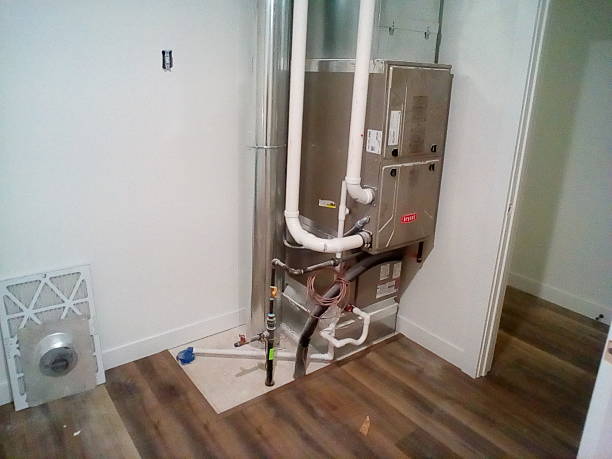
Correct sizing helps ensure that equipment can meet the home’s heating demand without unnecessary cycling or extended operation. Professional installation also ensures that electrical, gas, ventilation, ductwork, controls, and other applicable components are correctly configured.
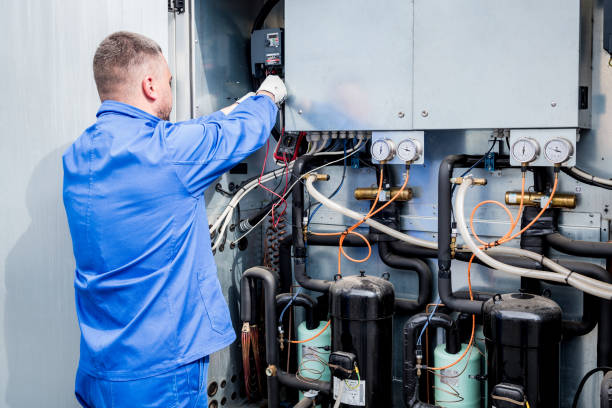
Regular maintenance helps identify worn components, airflow restrictions, control problems, and other issues before they affect system reliability. Preventative service can also support efficient operation and help homeowners plan repairs before they become urgent.
Choosing an experienced heating service provider can help homeowners make informed decisions about repair, maintenance, and replacement. Professional guidance can also ensure that heating equipment is properly matched to the property.
Weston Plumbing Solutions provides professional heating services focused on dependable system performance and practical solutions. Homeowners can benefit from professional assessment, installation guidance, maintenance, and repair support based on their property’s heating requirements.
A reliable heating provider should be able to address current problems while also helping homeowners plan for long-term equipment performance. For homeowners needing a Furnace Repair Service, professional diagnosis can help determine whether a furnace requires maintenance, repair, or eventual replacement.
The right home heating system depends on the property’s size, layout, insulation, climate, existing infrastructure, energy requirements, and long-term priorities. Furnaces, boilers, heat pumps, and hybrid systems can all provide effective heating when properly selected and installed. Homeowners should compare efficiency, comfort, installation costs, maintenance requirements, expected lifespan, and repair needs before making a decision. Professional assessment and correct system sizing can help ensure dependable performance while supporting efficient operation throughout the Canadian heating season.
There is no single heating system that is best for every Canadian home. Furnaces, boilers, heat pumps, and hybrid systems can all be suitable depending on climate, home size, insulation, existing infrastructure, energy costs, and heating requirements.
Modern heat pumps can provide effective heating in many Canadian climates, but suitability depends on the specific system, outdoor temperatures, home insulation, and heating requirements. Hybrid systems may provide an additional heating source in colder conditions.
Most heating systems benefit from professional maintenance at least once a year, preferably before the main heating season. Filters and other homeowner-maintainable components should be checked according to the manufacturer’s recommendations.
The decision depends on the equipment’s age, condition, repair history, efficiency, and expected repair costs. If breakdowns are becoming frequent or major components are failing, replacement may provide better long-term value.
Heating capacity should be based on the home’s heat loss, size, insulation, windows, layout, climate, and other building characteristics. A professional assessment is recommended because selecting equipment based only on square footage can result in inefficient or inadequate heating.