August 10, 2026

Planning a new air conditioner installation in Toronto requires more than choosing a unit and scheduling a technician. Homeowners need to consider system type, cooling capacity, energy efficiency, installation requirements, operating costs, and long-term reliability before making a decision. If you are searching for ac installation near me, understanding the installation process and the factors that affect system performance can help you make a more informed choice and avoid common installation problems.
Replacing an aging air conditioner can be a practical decision when the existing system no longer provides reliable or efficient cooling. Older equipment may require increasingly frequent repairs, consume more electricity, and struggle to maintain comfortable indoor temperatures during warmer weather.
Frequent breakdowns, inconsistent cooling, unusual noises, rising energy consumption, and poor overall performance can indicate that an air conditioner is approaching the end of its useful service life. A system that requires expensive component replacements may also become less economical to maintain. If the equipment is old and efficiency has declined significantly, homeowners should consider whether a new installation would provide better long-term value.
Repair can make sense when the existing system is in good condition and the required work is relatively minor. Replacement may be more appropriate when repair costs are substantial, failures are recurring, or the system has become inefficient. A professional assessment can help compare the expected repair costs with the benefits of installing modern, more efficient equipment.
The right AC system depends on the home’s size, layout, existing ductwork, insulation, electrical capacity, and cooling requirements. Choosing equipment based only on price can result in inadequate cooling or unnecessary energy consumption.
Central air conditioning is commonly used in homes with existing ductwork because it can distribute cooled air throughout multiple rooms. Ductless systems can be useful for homes or areas where traditional ductwork is unavailable or difficult to install. Other cooling configurations may also be suitable depending on the property’s structure and specific requirements.
Homeowners should compare cooling capacity, efficiency ratings, controls, warranty coverage, noise levels, and expected operating costs. A higher-efficiency system may have a greater initial purchase price but can potentially reduce electricity consumption over its operating life. The best choice should balance performance, installation requirements, and long-term costs.
Correct sizing is one of the most important aspects of a successful air conditioner installation. The system needs to provide enough cooling capacity without being significantly larger than the home’s actual requirements.
Cooling requirements depend on more than square footage. Ceiling height, window placement, insulation, orientation, number of occupants, ductwork, and heat-producing appliances can all influence the required capacity. A professional assessment helps determine the appropriate equipment for the property’s actual cooling needs.
An oversized air conditioner may cool the space quickly but cycle too frequently, which can affect humidity control and system efficiency. An undersized unit may run for extended periods while still struggling to reach the desired temperature. Proper sizing supports more consistent comfort, efficient operation, and reliable performance.
Energy efficiency should be considered before purchasing a new system because the initial equipment cost is only one part of the total ownership expense. Efficient equipment combined with correct installation can help reduce unnecessary energy consumption.
Modern air conditioners are available with different efficiency levels. Homeowners should review the applicable efficiency ratings and consider how frequently the system will operate throughout the cooling season. Choosing equipment that matches the home’s cooling requirements can help prevent unnecessary energy use.
The least expensive system is not always the most economical choice over time. A more efficient unit may provide lower operating costs, particularly when used frequently. Homeowners should compare equipment prices, installation expenses, expected energy consumption, warranty coverage, and maintenance requirements before deciding.
A professional installation normally starts with an evaluation of the property and the existing cooling setup. The technician considers the home’s cooling requirements, available space, electrical connections, ductwork, and equipment options before recommending a suitable system.
The installation team should determine the appropriate system capacity and identify any preparation work required before installation. This may include checking ductwork, electrical connections, drainage, mounting locations, and other components that affect system operation.
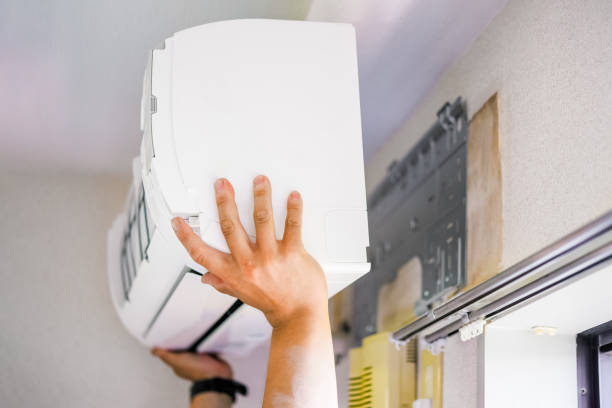
If an existing air conditioner is being replaced, the old equipment is removed before the new system is positioned and connected. Installation may involve refrigerant lines, electrical connections, condensate drainage, ductwork connections, and indoor and outdoor equipment placement. Proper installation is essential for safe and efficient operation.
Installation timelines vary depending on the equipment, property, accessibility, and amount of preparation required. A straightforward replacement can generally be completed faster than an installation that requires significant electrical, ductwork, or structural modifications.
The type of system, existing infrastructure, equipment availability, electrical requirements, duct modifications, and accessibility can all influence the schedule. Additional work may be necessary if existing components are damaged, outdated, or unsuitable for the new system.
After installation, the system should be tested to confirm that cooling, airflow, controls, electrical components, drainage, and other relevant functions are operating correctly. Final checks help identify installation issues before the system is placed into regular use.
The cost of installing a new air conditioner varies based on the equipment selected and the requirements of the property. Homeowners should request a detailed estimate rather than relying on a general price because installation conditions can differ considerably between homes.
Central and ductless systems can have different equipment and installation requirements. Larger homes may also require higher-capacity equipment or additional cooling zones. Equipment features, efficiency ratings, brand, warranty, and controls can further influence the total cost.
Labour is another important part of installation pricing. Additional expenses may result from electrical upgrades, ductwork modifications, condensate drainage work, refrigerant line installation, removal of old equipment, or other preparation requirements. A professional quotation should clearly identify the major components included in the installation.
Homeowners researching HVAC solutions can also explore Weston Plumbing & Mechanical Services for professional mechanical and cooling services.
Before choosing an installer, homeowners should review the contractor’s experience, qualifications, warranty information, service options, and approach to system sizing. A reliable contractor should be willing to explain the recommended equipment and installation process clearly.
Ask whether the contractor has experience installing the type of AC system being considered and whether technicians have the appropriate training and qualifications. Warranty information should also be reviewed carefully so homeowners understand what is covered for equipment, parts, and installation.
Before booking, ask which system is being recommended, why its capacity is appropriate, what installation work is included, whether electrical or ductwork modifications are required, and what maintenance or after-installation support is available. Clear answers can help prevent unexpected costs and misunderstandings.
Professional installation is essential because even a high-quality air conditioner may perform poorly if it is incorrectly sized or installed. Installation affects airflow, electrical operation, refrigerant performance, drainage, efficiency, and overall equipment reliability.
A professional technician can evaluate the home and select equipment that matches its cooling requirements. Correct connections, airflow, drainage, controls, and equipment placement are equally important for achieving the expected performance from the new system.
Proper installation helps the equipment operate according to its intended specifications. It can also reduce unnecessary system strain, support consistent cooling, and minimize the likelihood of installation-related problems. Professional commissioning and testing provide additional assurance that the system is ready for regular operation.
Choosing a qualified local HVAC provider can make the installation process easier from initial system selection through final testing. Professional guidance can help homeowners understand their available options and choose equipment that fits their property and cooling requirements.
Weston Plumbing Solutions provides professional air conditioning services focused on appropriate system selection and quality installation. A structured installation process helps ensure that the selected equipment is properly sized, correctly connected, tested, and ready to provide dependable cooling.
Professional support should continue beyond equipment installation. Homeowners benefit from clear communication, appropriate system recommendations, proper installation procedures, and guidance regarding maintenance and future service needs. For homeowners considering ac installation toronto, professional assistance can help ensure that the selected cooling system is suitable for the property’s requirements.
A successful AC installation depends on choosing the right system, selecting the correct capacity, considering energy efficiency, and ensuring that every installation component is handled properly. Homeowners should evaluate their existing system, compare equipment options, understand installation costs, and choose a qualified contractor who provides transparent recommendations. Professional installation can improve cooling performance, efficiency, reliability, and long-term system value while helping homeowners avoid problems caused by incorrect sizing or poor installation practices.
Frequent repairs, poor cooling, rising energy costs, unusual noises, and declining system performance can indicate that replacement may be appropriate. A professional inspection can help determine whether repair or replacement makes more sense.
AC capacity should be determined based on factors such as home size, insulation, layout, windows, ceiling height, occupancy, and existing ductwork. Professional assessment is recommended instead of selecting equipment based only on square footage.
The installation timeline depends on system type, equipment accessibility, existing infrastructure, electrical requirements, and whether ductwork or other modifications are needed. A straightforward replacement generally requires less work than a more complex installation.
A high-efficiency system can provide lower energy consumption when properly sized and installed. Homeowners should compare the initial investment with expected operating costs, usage patterns, warranty coverage, and the anticipated service life of the equipment.
Ask about system sizing, equipment efficiency, installation requirements, warranty coverage, total project costs, electrical or ductwork modifications, testing procedures, and ongoing service options. Clear answers can help you make a more informed installation decision.
